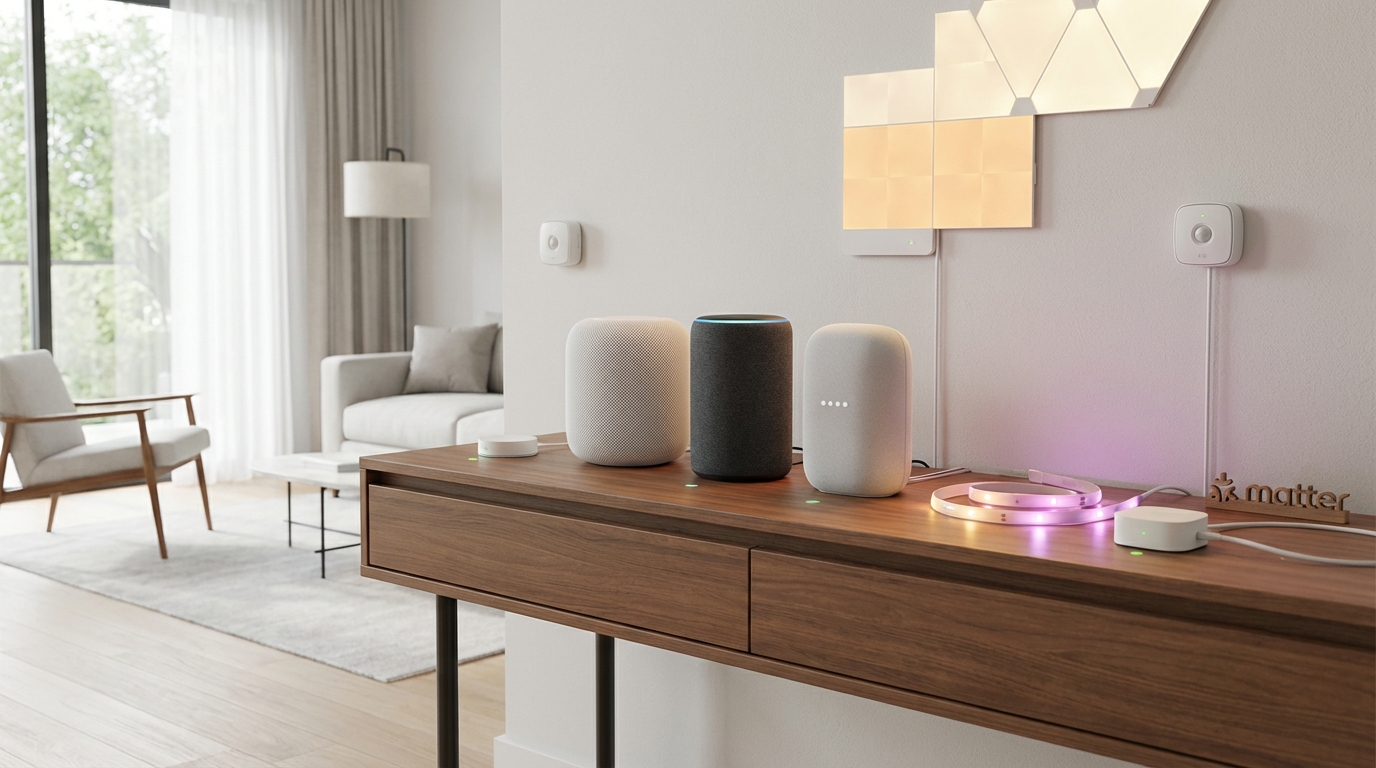
🏆 Top Matter-Compatible Devices 2026
💡 Best Smart Bulb: Nanoleaf Essentials – Native Matter support, 16M colors, no hub needed
🔌 Best Smart Plug: Kasa Smart Plug Ultra Mini – Matter compatible, energy monitoring, compact design
🔐 Best Smart Lock: Schlage Encode Plus – Matter ready, fingerprint reader, built-in Wi-Fi
Quick Comparison:
Why Matter Matters: Buy once, works with Alexa, Google Home, Apple HomeKit, and any future platforms
🔗 Universal Compatibility: No more choosing between ecosystems
🔒 Better Security: Local control, encrypted communication
⚡ Future-Proof: New devices work with your existing setup automatically
If you’ve been shopping for smart home devices lately, you’ve probably seen “Matter” splashed across product boxes and wondered what all the fuss is about. The smart home world has been frustratingly fragmented for years—buying a device only to discover it doesn’t work with your existing setup is maddening.
Matter promises to fix this mess by creating a universal standard that lets smart home devices work together, regardless of brand. With Matter smart home explained in this guide, you’ll understand exactly what this protocol does, why it matters (pun intended), and how to build or upgrade your smart home with Matter-compatible devices in 2026.
Whether you’re starting from scratch or have a house full of incompatible gadgets, this guide will show you how Matter changes everything.
What Is Matter and Why Should You Care?
Matter is a unified connectivity standard designed to make smart home devices work seamlessly together. Think of it as a universal translator that lets your Samsung smart plug talk to your Apple HomePod, your Google Nest thermostat, and your Amazon Echo—all without compatibility headaches.
Launched in late 2022 by the Connectivity Standards Alliance (CSA), Matter was developed by over 500 companies including Apple, Google, Amazon, and Samsung. The goal? End the “works with” confusion that’s plagued smart homes since day one.
The Problem Matter Solves
Before Matter, buying smart home devices meant choosing an ecosystem and hoping everything would play nice. A Ring doorbell might not work with Google Home. Your Philips Hue lights needed a separate hub. Smart locks required different apps for different brands.
Matter eliminates this fragmentation by creating a common language all devices can speak. You can mix and match brands freely, knowing they’ll communicate properly.
How Does Matter Actually Work?
Matter operates on top of existing network technologies you already have: Wi-Fi, Ethernet, and Thread (a low-power mesh protocol). It’s not replacing your network—it’s standardizing how devices communicate over it.
When you buy a Matter-certified device, it can connect directly to any Matter-compatible controller (like your smartphone, smart speaker, or hub) without proprietary bridges or brand-specific setup processes.
The Technical Basics (Simplified)
Matter uses IP-based networking, meaning each device gets its own network address just like your laptop or phone. This allows direct, secure communication between devices and controllers.
The protocol includes built-in security with end-to-end encryption and requires all devices to authenticate before joining your network. This makes Matter devices significantly more secure than many older smart home products.
Thread support is particularly important—it creates a self-healing mesh network that doesn’t rely on Wi-Fi, improving reliability and battery life for sensors, locks, and other low-power devices.
What Devices Support Matter in 2026?
As of 2026, Matter support has expanded dramatically from its initial launch. The protocol now covers these device categories:
Currently Supported: – Smart lighting (bulbs, strips, switches) – Smart plugs and outlets – Smart locks and access control – Thermostats and HVAC controls – Window coverings (blinds, shades) – Sensors (contact, motion, temperature, humidity) – Security systems and cameras – Media devices (TVs, streaming devices) – Bridges and hubs
Coming Soon: – Robot vacuums – Appliances (refrigerators, ovens, washers) – Garage door openers – Smoke and CO detectors
Major Platforms Supporting Matter
All the big players now support Matter, which means you can control Matter devices through:
- Apple Home (iPhone, iPad, HomePod, Apple TV)
- Google Home (Android, Google Nest speakers and displays)
- Amazon Alexa (Echo devices, Fire TV)
- Samsung SmartThings (Samsung phones, SmartThings hub)
- Home Assistant (for DIY enthusiasts)
This cross-platform support is Matter’s killer feature—buy once, use anywhere.
Setting Up Your First Matter Device
Setting up a Matter device is remarkably straightforward compared to pre-Matter smart home products. The process typically takes under two minutes.
The Basic Setup Process
First, ensure your Matter controller (smartphone, smart speaker, or hub) has the latest software update. Matter support requires recent firmware on all platforms.
Open your preferred smart home app (Apple Home, Google Home, Alexa, etc.) and look for the “Add Device” or similar option. Select “Matter” or scan the QR code included with your device.
The Matter device will appear almost instantly. Give it a name, assign it to a room, and you’re done. The device is now accessible through any Matter-compatible controller on your network.
Multi-Admin: The Secret Sauce
Here’s where Matter gets really clever: multi-admin functionality lets you add the same device to multiple ecosystems simultaneously. Your Matter smart bulb can be controlled through Apple Home, Google Home, and Alexa at the same time.
This means family members can use their preferred platform without conflicts. iPhone users can use Siri while Android users stick with Google Assistant, all controlling the same devices.
Best Matter Devices to Buy in 2026
Based on user reviews, specifications, and market reception, here are the standout Matter devices across key categories.
Smart Lighting
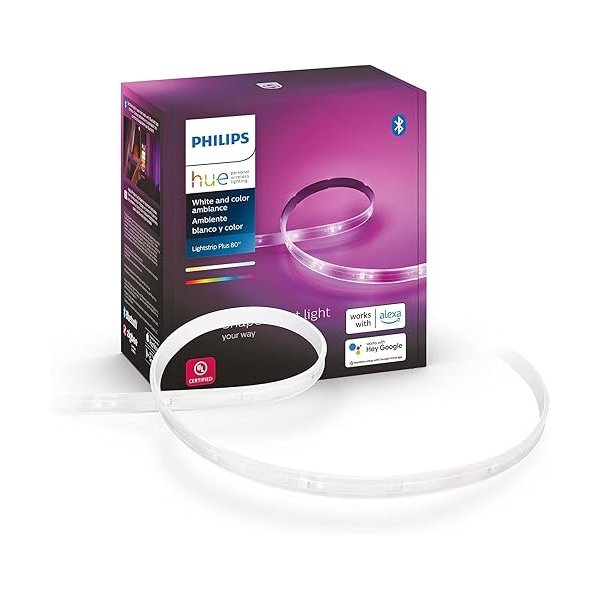
Eve Light Strip (2m) – $79.99
The Eve Light Strip is widely regarded as one of the most reliable Matter lighting products available. According to user reviews, setup is instant and color accuracy is excellent.
| Pros | Cons |
|---|---|
| Native Matter support (no hub needed) | Premium pricing compared to budget options |
| 16 million colors, excellent brightness | 2m length may be short for some applications |
| Thread-enabled for reliable mesh networking | Requires Thread border router for best performance |
Verdict: Best for users who want premium quality and don’t mind paying for it.
Nanoleaf Essentials A19 Bulb – $19.99
Nanoleaf’s Matter bulbs offer excellent value according to consumer feedback. They support Thread, making them more reliable than Wi-Fi-only alternatives.
| Pros | Cons |
|---|---|
| Affordable entry point for Matter lighting | Slightly less bright than premium competitors |
| Thread support for mesh reliability | Limited smart features compared to Philips Hue |
| Works with all major platforms | Occasional firmware update issues reported |
Verdict: Best budget-friendly option for most homes.
Smart Plugs

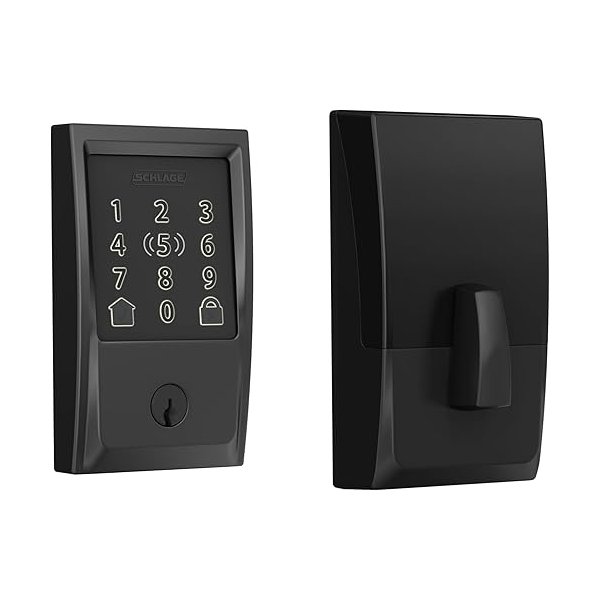
Eve Energy – $39.95
Based on specifications and user consensus, Eve Energy stands out for its energy monitoring capabilities combined with Matter compatibility.
The device tracks power consumption in real-time and provides historical data through the Eve app. Thread support ensures the plug remains responsive even during network congestion.
Kasa Smart Plug Ultra Mini (Matter) – $24.99
TP-Link’s Kasa line added Matter support in 2024, and the Ultra Mini has become a bestseller according to market data. Its compact design doesn’t block adjacent outlets, addressing a common complaint with smart plugs.
Smart Locks
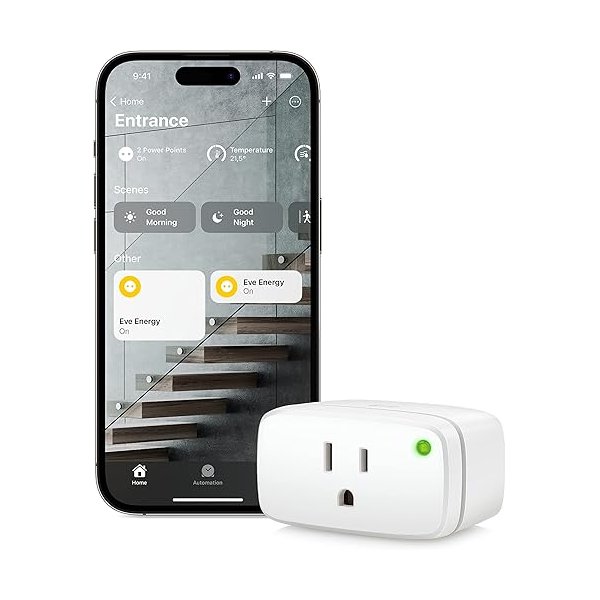
Schlage Encode Plus – $329.95
The Encode Plus is recognized as the first major smart lock with built-in Matter and Thread support. User reviews consistently praise its reliability and battery life.
| Feature | Specification |
|---|---|
| Connectivity | Matter over Thread, Wi-Fi |
| Battery Life | 6-12 months (4 AA batteries) |
| Built-in Alarm | Yes, 3 alert modes |
| Auto-Lock | Programmable |
| Finish Options | 4 (Matte Black, Satin Nickel, Aged Bronze, Century Matte Black) |
Verdict: Premium price, but widely considered the most reliable Matter smart lock available.
Level Lock+ (Matter Edition) – $329.00
Level’s invisible design—it looks like a regular lock from outside—appeals to users who want smart functionality without the obvious smart lock appearance. Matter support was added via firmware update in 2024.
According to specifications, it fits inside a standard deadbolt, making it compatible with most existing setups without changing your door’s exterior appearance.
Matter vs. Other Smart Home Standards
Understanding how Matter compares to existing protocols helps clarify its role in your smart home.
Matter vs. Zigbee
Zigbee is an older mesh protocol used by thousands of devices. It requires a hub and doesn’t natively support IP networking.
Matter can run over Thread (which is technically similar to Zigbee) but adds IP connectivity and cross-platform compatibility. Many Zigbee devices can be upgraded to Matter through bridges, preserving your investment.
Matter vs. Z-Wave
Z-Wave is another mature mesh protocol popular in home automation. Like Zigbee, it requires a hub and lacks Matter’s cross-platform features.
Z-Wave operates on different radio frequencies depending on region, which has limited its global adoption. Matter’s use of standard protocols (Wi-Fi, Thread, Ethernet) makes it more universally compatible.
Matter vs. Wi-Fi Smart Devices
Many smart devices connect directly via Wi-Fi without using Matter. These work fine in isolation but lack Matter’s interoperability.
Matter-over-Wi-Fi devices get the best of both worlds: direct wireless connectivity without additional hubs, plus Matter’s universal compatibility. However, Thread-based Matter devices typically offer better battery life and reliability for sensors and battery-powered products.
Common Matter Myths Debunked
Myth #1: “Matter means I have to replace all my smart home devices.”
False. Matter works alongside existing protocols. Your current devices continue working normally, and many manufacturers offer bridges to add Matter compatibility to older products.
Myth #2: “All Matter devices work exactly the same across all platforms.”
Mostly true, but with caveats. Core functionality (on/off, dimming, locking) works universally. Platform-specific features (like Apple’s Adaptive Lighting or complex automations) may vary.
Myth #3: “Matter solves all smart home problems instantly.”
Matter dramatically improves interoperability but doesn’t fix bad hardware or poor Wi-Fi coverage. Device quality still matters, and you’ll still need a solid network infrastructure.
Building a Matter Smart Home: Strategy Guide
If you’re starting fresh or planning a major upgrade, here’s a strategic approach to building with Matter in 2026.
Start with Infrastructure
Before buying devices, ensure your network can handle them. A quality Wi-Fi 6 router is essential for homes with many smart devices. Consider mesh Wi-Fi systems for larger homes.
For Thread devices, you’ll need a Thread Border Router. Fortunately, these are built into many smart speakers: Apple HomePod mini, Google Nest Hub (2nd gen), Amazon Echo (4th gen), and Apple TV 4K all include Thread support.
Choose Your Primary Platform
While Matter works across platforms, pick one as your primary interface for creating automations and managing settings. Your choice typically depends on your phone:
- iPhone users: Apple Home offers the cleanest interface and best privacy
- Android users: Google Home provides excellent voice control and routine capabilities
- Mixed households: Samsung SmartThings or Home Assistant offers the most flexibility
Prioritize High-Impact Devices
Start with devices you’ll use daily: smart lights in main rooms, a smart lock for your front door, a smart thermostat for comfort and savings. These deliver immediate value and help you learn the system.
Add specialty devices (sensors, window coverings, specialty lighting) once you’re comfortable with the basics.
Troubleshooting Common Matter Issues
Even with Matter’s improved reliability, you might encounter occasional issues. Here are solutions to the most common problems reported by users.
Device Won’t Pair
First, verify your controller (phone or hub) has the latest software update. Matter support has evolved rapidly, and older firmware may have compatibility issues.
Ensure you’re scanning the Matter QR code, not manufacturer-specific codes. Matter devices typically include multiple QR codes—use the one labeled “Matter” or showing the Matter logo.
Check that your Wi-Fi network uses WPA2 or WPA3 security. Older security protocols aren’t supported by Matter.
Device Becomes Unresponsive
For Thread devices, confirm your Thread Border Router is powered on and connected. Thread devices won’t work without an active border router on your network.
Power cycle the device by unplugging it (or removing batteries) for 30 seconds. Many connectivity issues resolve with a simple reboot.
Check for firmware updates in your controller app. Manufacturers regularly release updates that improve stability and add features.
Multi-Admin Not Working
Multi-admin requires iOS 16.5+, Android 13+, or equivalent versions for other platforms. Older operating systems don’t support this feature.
The device must support multi-admin in its firmware. Most devices released in 2024 or later include this capability, but some earlier Matter products require firmware updates to enable it.
The Future of Matter: What’s Coming
Matter continues evolving with regular specification updates. Here’s what’s on the roadmap for late 2026 and beyond.
Expanded Device Categories
The Matter working groups are actively developing standards for cameras with advanced features (recording, facial recognition), robot vacuums, and major appliances. These additions will bring Matter’s benefits to nearly every smart home device category.
Energy management is a major focus area, with specifications for EV chargers, solar systems, and battery storage under development.
Enhanced Features
Matter 1.3 and 1.4 specifications add support for more complex device types and improved automation capabilities. Expect better scene synchronization and more sophisticated triggers.
The protocol is also adding better support for proprietary features while maintaining baseline compatibility—letting manufacturers differentiate their products without breaking interoperability.
Matter + AI Integration
With AI assistants becoming more sophisticated, Matter provides the standardized device control layer these systems need. Expect tighter integration between Matter devices and next-generation voice assistants and predictive automation systems.
FAQ: Matter Smart Home Questions Answered
Does Matter work without internet?
Yes, Matter devices can operate locally without an internet connection. Basic controls (turning lights on/off, unlocking doors) work entirely on your local network. However, remote access when you’re away from home requires internet connectivity. This local-first design is a significant advantage for reliability and privacy.
Do I need a hub for Matter devices?
It depends on the device. Matter-over-Wi-Fi devices connect directly to your network without requiring a hub. Matter-over-Thread devices need a Thread Border Router, which is built into many smart speakers and displays including Apple HomePod mini, Google Nest Hub, and Amazon Echo 4th gen. If you already own one of these, you’re set.
Can I use Matter devices with multiple voice assistants simultaneously?
Yes, this is Matter’s multi-admin feature. A single device can be controlled through Apple Home, Google Home, and Amazon Alexa simultaneously. Different family members can use their preferred platform to control the same devices. This flexibility is one of Matter’s biggest advantages over traditional smart home ecosystems.
Are Matter devices more secure than non-Matter alternatives?
Generally yes. Matter includes mandatory security features including end-to-end encryption, device authentication, and secure over-the-air updates. The standard was designed with security as a core requirement rather than an afterthought. However, implementation quality varies by manufacturer, so choosing reputable brands remains important.
Will my existing smart home devices stop working when I add Matter?
No. Matter devices coexist peacefully with your current setup. Your existing Zigbee, Z-Wave, or proprietary Wi-Fi devices continue functioning normally. You’re adding compatibility, not replacing your system. Many manufacturers offer bridges that add Matter support to older devices, extending their useful life.
Conclusion: Is Matter Worth It for Your Smart Home?
Matter smart home technology has matured significantly since its 2022 launch, and 2026 is an excellent time to adopt it. The protocol delivers on its core promise: genuine cross-platform compatibility that lets you mix brands and ecosystems freely.
If you’re starting a smart home from scratch, buying Matter-certified devices is a no-brainer. You’ll avoid the compatibility frustrations that plagued earlier adopters and have confidence your devices will work together.
For existing smart home users, a gradual transition makes sense. Replace devices as needed with Matter equivalents, and use bridges to add Matter support to devices worth keeping. You don’t need to rip out everything and start over.
The most compelling reason to embrace Matter is freedom—freedom to choose the best device for each job without worrying about ecosystem lock-in, freedom to use multiple voice assistants, and freedom to know your smart home will work with whatever platforms emerge in the coming years.
Ready to explore more? Check out our guides on “Best Thread Border Routers for Matter Homes” and “Converting Your Existing Smart Home to Matter” for deeper dives into specific topics.